


Chase Sapphire Reserve® Credit Card is a premium travel rewards card designed for people who want strong earning potential, flexible points, and high-value travel benefits. It is built for cardholders who travel often, dine frequently, and want access to a broader travel and lifestyle rewards ecosystem.
This is not a simple no-fee credit card. The Chase Sapphire Reserve® Credit Card has a premium annual fee, but it also offers major travel credits, lounge access, elevated rewards, travel protections, and flexible redemption options. For the right traveler, these benefits can help make the card’s overall value more compelling.
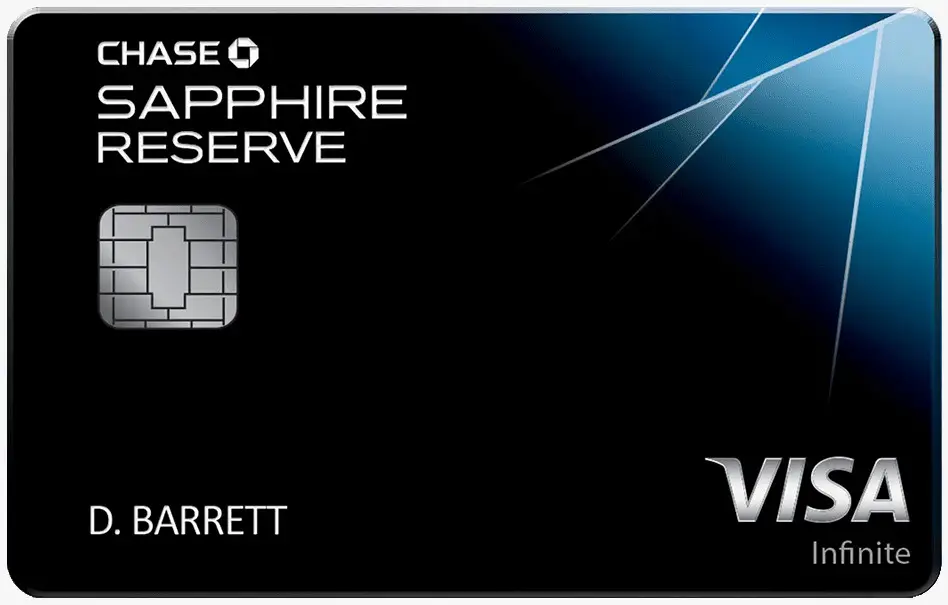
Chase Sapphire Reserve®
Airport lounges Points BoostHow the Chase Sapphire Reserve® Credit Card Works
The Chase Sapphire Reserve® Credit Card earns Ultimate Rewards® points on eligible purchases. These points can be used in different ways, including travel through Chase Travel℠, statement credits, gift cards, eligible purchases, and transfers to participating airline and hotel partners.
New cardmembers may qualify for a welcome offer. The current official offer allows eligible applicants to earn 100,000 points after spending $6,000 on purchases in the first 3 months from account opening. Chase states that these points can be worth up to $2,000 for select flights and hotels through Chase Travel℠.
The rewards structure is focused strongly on travel and dining. Cardholders can earn 8X points on purchases through Chase Travel, including The Edit℠, 4X points on flights booked directly, 4X points on hotels booked directly, 3X points on dining worldwide, and 1X point on all other purchases.
The card also includes a $300 annual travel credit each account anniversary year. This credit applies to qualifying travel purchases, although purchases that qualify for the credit do not earn points.
Another important feature is Points Boost. With Points Boost, points may be worth up to 2X on selected hotels, including The Edit, and flights with select airlines through Chase Travel. This gives cardholders a way to potentially increase the value of their points when redeeming through Chase.
Ultimate Rewards points do not expire as long as the account remains open. This gives users flexibility to save points for future travel instead of rushing to redeem them.
More Advantages of the Chase Sapphire Reserve® Credit Card
One of the biggest advantages of the Chase Sapphire Reserve® Credit Card is its premium travel experience. Cardholders receive access to Chase Sapphire Lounges by The Club and more than 1,300 Priority Pass™ airport lounges worldwide, with guest access subject to Chase’s current terms.
The card also offers a statement credit of up to $120 every four years for Global Entry, TSA PreCheck®, or NEXUS. This can help frequent travelers save time at airports and border crossings.
Another strong advantage is the travel protection package. The card includes benefits such as auto rental coverage, trip cancellation and interruption insurance, trip delay reimbursement, lost luggage reimbursement, baggage delay insurance, and other protections, subject to terms and limitations.
The Chase Sapphire Reserve® Credit Card also provides purchase-related protections, including purchase protection, return protection, extended warranty protection, fraud monitoring, and zero liability protection for unauthorized charges.
For travelers who like hotel benefits, the card offers access to The Edit by Chase Travel, a curated hotel and resort collection with special benefits on eligible stays. It also includes select travel and lifestyle credits that can add value when used consistently.
Another important benefit is that the card has no foreign transaction fees. This makes it more practical for international travel and purchases made outside the United States.
Downsides of the Chase Sapphire Reserve® Credit Card
The biggest downside of the Chase Sapphire Reserve® Credit Card is the annual fee. This is a premium card with a high yearly cost, so it is best suited for users who can take advantage of the travel credits, lounge access, rewards, and other benefits.
Another drawback is that some of the best value depends on using Chase Travel. While points are flexible, certain elevated earning rates and redemption values are tied to Chase’s travel platform.
The card also may feel complex for users who prefer a simple cash back structure. With credits, travel categories, redemption options, lounge rules, and transfer partners, it requires more attention than a basic rewards card.
The welcome bonus is also subject to eligibility rules. Chase states that the card may be unavailable to current cardholders, and the new cardmember bonus may not be available to people who previously held the card or received a bonus for it.
Finally, carrying a balance can reduce the value of the rewards. Like most premium rewards cards, this card works best for people who pay their balance in full and avoid interest charges.
Chase Sapphire Reserve® Credit Card Fees and Costs
The Chase Sapphire Reserve® Credit Card has a $795 annual fee. Authorized users currently cost $195 each. Because of this, applicants should carefully compare the annual cost with the value they expect to receive from the card.
The card’s variable APR is currently listed at 19.49% to 27.99%, depending on creditworthiness and other factors. If you carry a balance, interest charges can become expensive, so this card is better for users who can manage payments responsibly.
A major travel-related cost advantage is that the card has no foreign transaction fees. This can be useful for international travelers who want to avoid extra charges on purchases made abroad.
Other costs may apply depending on how the account is used. Cash advances, late payments, balance-related fees, or other account activity can result in additional charges. Applicants should review Chase’s official pricing and terms before applying.
How to Apply for the Chase Sapphire Reserve® Credit Card
You can apply for the Chase Sapphire Reserve® Credit Card online through the official Chase website. Chase allows existing customers to sign in and apply faster, while new applicants can apply as guests.
Chase also offers a way to check for pre-approved offers with no impact to your credit score before submitting a full application. This can help applicants see whether they may have an available offer before moving forward.
During the application process, you will need to provide personal and financial information, such as your name, address, Social Security number, income, employment details, and housing information. Chase will review creditworthiness and other eligibility factors before making a decision.
Before applying, review the annual fee, authorized user fee, APR, rewards categories, travel credit, lounge access terms, and bonus eligibility rules. This is especially important because the card’s value depends on how often you travel and how well you use its benefits.
The Chase Sapphire Reserve® Credit Card can be a strong option for frequent travelers who want premium benefits, flexible points, and elevated travel rewards. Its annual fee is high, but for eligible cardholders who use the credits, lounges, protections, and Chase Travel features, it can offer meaningful value.
However, it may not be ideal for someone who travels rarely or wants a simple no-annual-fee card. For the right user, the Chase Sapphire Reserve® Credit Card remains a premium travel card worth considering.

 Happen Bank Personal Loans: Borrow With Flexibility
  Old National Personal Loans: Flexible Funds for Your Plans