

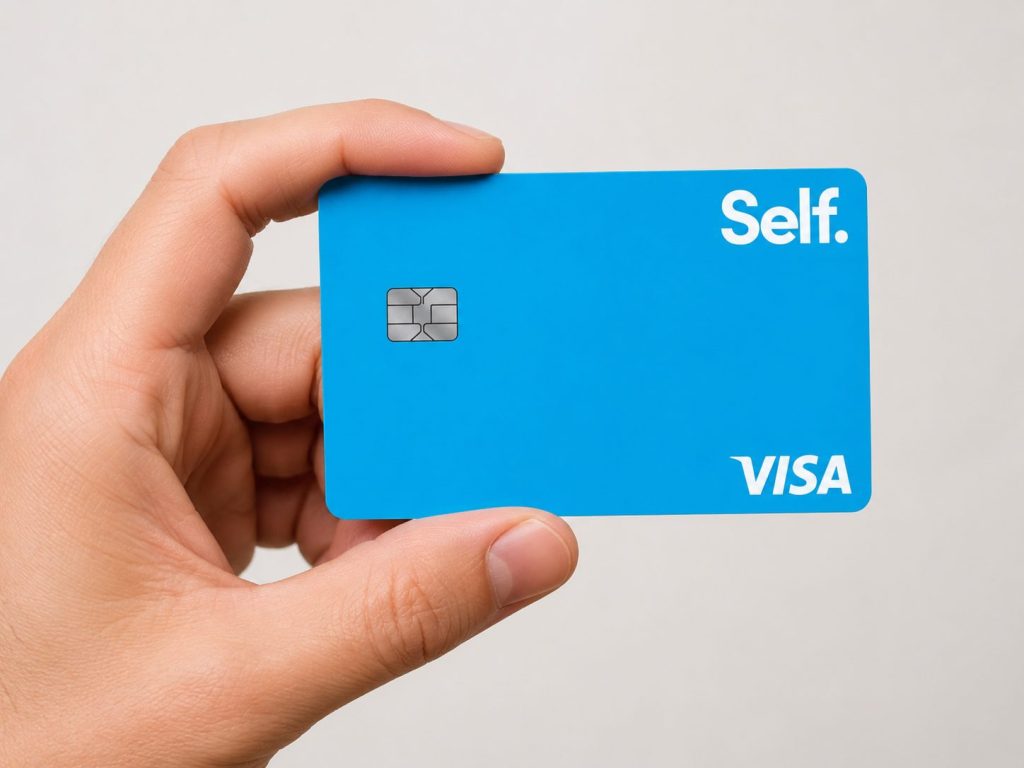
Self Visa® Credit Card is a secured card created for consumers who want to establish or rebuild their credit history. It may be especially relevant for people with limited credit, no previous credit history, or past financial challenges that make qualifying for a traditional unsecured card more difficult.
Instead of assigning a credit limit primarily through a traditional credit review, Self requires a refundable security deposit starting at $100. That deposit generally becomes the cardholder’s initial credit limit. The card does not require a hard credit inquiry, but applicants must still meet eligibility, identity, income, expense, and deposit requirements.
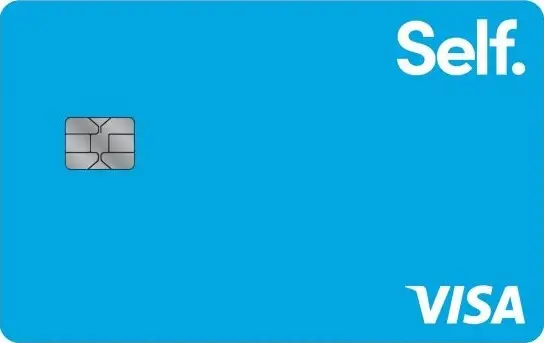
Self Visa®
Easy to get Intro annual fee $0How the Self Visa® Credit Card works
The Self Visa® Credit Card is a secured credit card, which means the account is backed by the cardholder’s own money. To open the card, an approved applicant must establish a security deposit of at least $100.
For example, someone who deposits $100 will generally begin with a $100 credit limit. The card can then be used for eligible purchases in the United States wherever Visa is accepted, provided the spending remains within the available credit limit. The Self Visa® Credit Card cannot currently be used for international transactions.
Cardholders receive monthly statements and must make at least the required minimum payment by the due date. Paying on time and keeping the balance manageable may help establish positive payment history. Self reports account activity to Equifax, Experian, and TransUnion, although using the card does not guarantee a particular credit score increase.
Eligible customers may be able to increase their secured credit limit by adding more money to the deposit. The current maximum secured limit is generally $3,000 for eligible cardholders with accounts in good standing. Available funding options may include a debit card, linked bank account, or qualifying funds accumulated through a Self Credit Builder Account.
More advantages of the Self Visa® Credit Card
One of the strongest advantages is the relatively low $100 minimum security deposit. Many secured cards require a larger initial amount, so Self’s lower starting requirement may make the product more accessible to consumers who are beginning their credit journey.
Another important benefit is that applying does not require a hard credit inquiry or a minimum credit score. This means consumers can apply without the application itself creating a hard inquiry on their credit report. Approval is still subject to Self’s eligibility rules, and the applicant must be able to fund the required deposit.
Other advantages include:
- Reporting to all three major credit bureaus: Account activity can contribute to the applicant’s broader credit history.
- Refundable security deposit: The deposit is returned after the account is closed and outstanding balances are settled.
- Flexible funding methods: Eligible customers may use a debit card, bank account, or Self Credit Builder Account funds.
- Control over the secured limit: Eligible cardholders may add to the deposit over time rather than funding the maximum amount immediately.
- Online application: Applicants can complete the process digitally and provide the necessary personal and financial information.
- First-year annual fee offer: New customers currently receive a $0 annual fee during the introductory first year.
These features can make the card useful for consumers who want a structured way to practice responsible credit use without relying on a conventional credit score for initial eligibility.
Cons to consider before applying
The main drawback is the required security deposit. Although the money is refundable, it remains tied to the account while the card is open and may be used to cover unpaid balances when the account closes.
The card also carries a relatively high APR. Consumers who carry a balance from month to month may accumulate meaningful interest charges. Paying the statement balance in full whenever possible can help avoid unnecessary borrowing costs.
Another limitation is that the Self Visa® Credit Card does not currently offer a traditional rewards program. Cardholders should not expect cash back, points, miles, or rewards for on-time payments. Its primary purpose is credit building rather than earning rewards.
The card cannot be used for international purchases, which makes it less suitable for travelers or consumers who frequently buy from merchants located outside the United States. The standard annual fee after the first year is another cost to consider.
Finally, approval is not guaranteed, and opening a new credit account does not automatically improve a person’s credit. Late payments, high utilization, and other negative activity may harm the cardholder’s credit profile.
Self Visa® Credit Card fees
The Self Visa® Credit Card currently offers an introductory annual fee of $0 during the first year for new customers. After the introductory period, the standard annual fee is $25. The first-year waiver is an important advantage, but applicants should prepare for the recurring fee after that period.
Current pricing published by Self includes:
- Purchase APR: 27.49%;
- Minimum security deposit: $100;
- Annual fee during the first year: $0 for new customers;
- Standard annual fee after the introductory period: $25;
- Instant debit funding fee: $3.50;
- Late payment fee: Up to $15;
- Returned payment fee: Up to $15.
The security deposit is not an annual fee or purchase charge. It serves as collateral and generally determines the secured portion of the credit limit. Self states that the deposit is returned when the account is closed after outstanding balances have been settled.
Rates and terms may change, so applicants should review the card agreement and pricing displayed during the application process before opening the account.
How to apply for the Self Visa® Credit Card
Consumers can apply online through Self’s official website. The application asks for basic personal information as well as details about income and expenses. A hard credit inquiry is not required, and Self does not advertise a minimum credit score for the secured card.
Applicants generally need to:
- Be a permanent U.S. resident or U.S. citizen;
- Have a valid U.S. Social Security number;
- Provide the requested income and expense information;
- Meet Self’s identity and eligibility requirements;
- Fund a security deposit of at least $100.
After approval, the applicant selects an available method to fund the deposit. A debit card may offer faster processing, while an ACH bank transfer can take several business days. Eligible customers may also be able to use funds accumulated through a Self Credit Builder Account.
The Self Visa® Credit Card may be a practical option for consumers who want to build credit, prefer a low starting deposit, and understand that the card is designed primarily for credit development rather than rewards or international use.
Before applying, review the APR, annual fee, deposit requirements, and payment responsibilities carefully. When used responsibly, the card may help establish payment history, but individual credit results will always depend on the cardholder’s overall financial behavior.

 Happen Bank Personal Loans: Borrow With Flexibility
  Old National Personal Loans: Flexible Funds for Your Plans
  Achieve Personal Loans: Flexible Funding Made Simple